Dunedin (727) 734-7611
Largo (727) 587-6667
St. Petersburg (727) 520-1818
1075 Main St. Dunedin, FL 34698
515 Missouri Avenue North Largo, FL 33770
3737 16th Street North St. Petersburg, FL 33704
The Physical Effects of Stress
The status of our mental health plays a large role in managing stress. Stress is the body’s fight or flight response to fear, anxiety, irritability, or anger. Stress is more than an emotion, however. When the mind is constantly fixated on something bothersome, the body will begin to feel the negative effects. These consequences can compromise the nervous system, musculoskeletal system, respiratory system, cardiovascular system, and the gastrointestinal system.
Acute feelings of worry may arise if we are late for a meeting or struggling to reach a deadline. For immediate, short-term situations, stress can be beneficial to a person because it may help them increase productivity, or cope with potentially serious situations. When the stress response doesn’t stop launching itself, these levels will become chronic and affect a person’s behavior and overall well-being.
When a person feels threatened, the nervous system responds by creating a flood of stress hormones, including adrenaline and cortisol. These physical changes can enhance one’s focus, but when the hormones don’t stop firing, the level of stress will become chronic. Chronic stress disrupts every system in the body and can increase a person’s risk of heart attack, stroke, anxiety, and depression.
Symptoms of stress may be obvious, but some of the most common are:
Techniques for Stress Management
Improving your ability to handle stress is not impossible. You may not be able to eliminate stress from your life completely, but through these techniques, you can control how much it affects you.
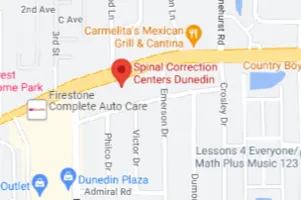 Dunedin
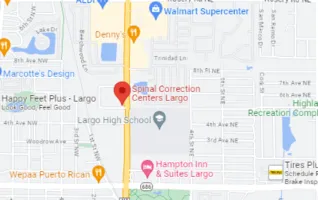 Largo
Largo515 Missouri Avenue North,
Largo, FL 33770
727-587-6667
Monday, Wednesday
8:00 AM -11:00 AM, 3:00 PM - 6:00PM
Friday
8:00 AM -11:00 AM
St. Petersburg3737 16th Street North,
St. Petersburg, FL 33704
727-520-1818
Monday, Wednesday, Thursday
8:00 AM - 12:00 PM, 2:00 PM - 6:00 PM
Tuesday
3:00 PM - 6:00 PM
Friday
8:00 AM - 11:00 AM
