Dunedin (727) 734-7611
Largo (727) 587-6667
St. Petersburg (727) 520-1818
1075 Main St. Dunedin, FL 34698
515 Missouri Avenue North Largo, FL 33770
3737 16th Street North St. Petersburg, FL 33704
Herniated discs are one of the most common causes of back and limb pain. They’re a problem that people naturally become more at risk for with age, and they can result from ordinary movements. But herniated discs also have a variety of names, including slipped discs, ruptured discs, and bulging discs, so it’s understandable why people would be confused about what they are and how they’re treated. This month, we’ll take a closer look at why discs become herniated, and what can happen as a result.
Spinal Discs are spongy joints in between the articulated vertebrae, with the exception of the two vertebrae at the top of the neck. Discs function as shock absorbers and are composed of a gelatinous inner ring, called a nucleus pulposus, and a tough outer ring, called an annulus fibrosus. If the annulus fibrosus ruptures, material from the nucleus pulposus could leak out. (This is the “slippage” referred to in the name “slipped disc.” The disc itself does not slip.) The chemicals released by a ruptured annulus trigger inflammation, which may put pressure on nearby tissues. The bulging nucleus material itself may also put pressure on the nerves branching out of the spinal cord.
Although herniated discs aren’t always painful, a compressed peripheral nerve could cause a lot of problems. A herniated disc in the lumbar region could compress a sciatic nerve, leading to symptoms of pain, numbness, tingling, or unresponsiveness in the leg. A herniated disc in the neck could likewise cause shocks or a pins and needles sensation along the shoulder, arm, and hand. The discs in the thoracic region are less likely to be injured, but if they are, they could cause a dull soreness that radiates into the chest. Herniated discs also don’t function as well as shock absorbers, and inflammation will make the nearby muscles tighter.
The spinal discs lose water as they age, causing them to shrink. It is unclear why this occurs, although some researchers postulate that if a disc shrinks enough, leaking nucleus material is less likely to reach a nerve. But people between the ages of 35-55 are at particular risk for developing problems from herniated discs, and if a disc has degenerated, it is more likely to suffer an acute injury. Often, people aren’t even sure which of their actions caused a disc to herniate, but people are at greater risk if they’re overweight or smoke.
Unlike eroded cartilage, a herniated disc is something the body can usually rebuild. However, patients experiencing symptoms are advised to seek non-addictive, minimally invasive pain relief and preventive care in a chiropractic office. Chiropractic adjustments help relieve pressure on impinged nerves and compressed discs. Treatments such as therapeutic massages and electric muscle stimulation reduce inflammation, as can the application of heat and ice. Chiropractors will also provide patients with lifestyle advice, such as how to lift heavy objects and do yard work efficiently, to help them avoid straining their back tissues. Although patients should rest immediately after an injury, they’ll need to do physical therapy to rebuild their strength and flexibility, and maintaining strong core muscles will help prevent their spinal discs from being overloaded in the future.
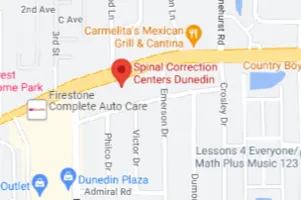 Dunedin
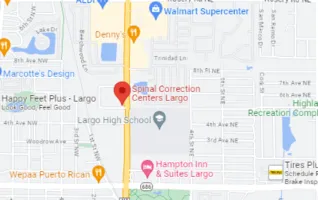 Largo
Largo515 Missouri Avenue North,
Largo, FL 33770
727-587-6667
Monday, Wednesday
8:00 AM -11:00 AM, 3:00 PM - 6:00PM
Friday
8:00 AM -11:00 AM
St. Petersburg3737 16th Street North,
St. Petersburg, FL 33704
727-520-1818
Monday, Wednesday, Thursday
8:00 AM - 12:00 PM, 2:00 PM - 6:00 PM
Tuesday
3:00 PM - 6:00 PM
Friday
8:00 AM - 11:00 AM
