Dunedin (727) 734-7611
Largo (727) 587-6667
St. Petersburg (727) 520-1818
1075 Main St. Dunedin, FL 34698
515 Missouri Avenue North Largo, FL 33770
3737 16th Street North St. Petersburg, FL 33704
Spinal decompression refers to a traction-based, non-surgical therapeutic technique used by chiropractors to reduce and manage the discomfort and pain associated with spinal disc issues and other medical afflictions that may affect the spine. As a therapeutic intervention, spinal decompression has been designed to reduce/relieve pressure placed on nerves, spinal discs, and the surrounding support structures. Ultimately, this alternative medical technique seeks to reduce symptoms and promote the body's natural healing abilities.
During a chiropractic session that includes spinal decompression, a patient lies on a motorized table that is designed specifically for this non-invasive treatment. The therapy involves both stretching and traction of the spine, which creates negative pressure within the targeted spinal discs – helping to retract a herniated or bulging disc that is out of place. In addition, spinal decompression helps improve blood flow to the area, which provides nutrients that support healing.
In addition to effectively treating chronic lower back pain (sometimes without a clear underlying cause), spinal decompression therapy offers relief for these conditions -
When a disc protrudes anywhere along the spine, it can put pressure on nearby nerves, which may create tingling, discomfort, weakness, and pain.
Over time, the natural wear and tear placed on one's spinal discs causes them to lose their ability to cushion the vertebrae. This process, which is a result of the aging process, can lead to reduced agility and flexibility, as well as pain/discomfort.
The sciatica nerve, which is the body's largest, originates in the lower back and runs along each leg. If this nerve becomes compressed, the condition is known as sciatica. A compressed sciatic nerve can generate significant pain, numbness, and tingling along the lower back and buttocks that radiate down one leg.
This refers to a condition in which the small joints of the spine's vertebrae become irritated or inflamed. The result can be discomfort, stiffness, and pain in the affected area.
Stenosis refers to a narrowing – in this case, of the spinal canal. The narrowing can pressure nearby nerves and the spinal cord, creating mobility problems and pain.
Spinal decompression therapy provides a non-surgical option, which is ideal for a) those who are not surgery candidates or b) those who wish to explore alternative, non-surgical options prior to the consideration of surgery. Spinal decompression therapy encourages the flow of oxygen and nutrients to the spine and discs, which potentially offers a faster recovery.
Spinal decompression, which seeks to address the cause of the pain (rather than mask it with medication), offers a drug-free approach to pain management.
Spinal decompression creates negative pressure within the spinal discs, which can help draw herniated or bulging disc material back into place. This can reduce compression on nerves and improve spinal alignment.
Because this non-invasive procedure is done on an outpatient basis, most people can resume their daily routine soon after.
Spinal decompression is a therapy intervention that can be adapted to meet each client's specific needs and medical response.
Spinal decompression is typically done over a series of visits, with each visit lasting anywhere from ¼ to ½ hour. Note, however, that the number of spinal decompression sessions will be contingent upon a variety of factors that may include the following –
As with any medical procedure, it's vital to consult with a chiropractor to determine if this alternative therapy would be an appropriate approach to managing your pain and other symptoms.
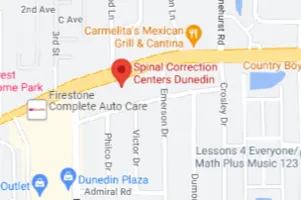 Dunedin
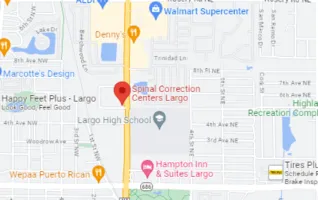 Largo
Largo515 Missouri Avenue North,
Largo, FL 33770
727-587-6667
Monday, Wednesday
8:00 AM -11:00 AM, 3:00 PM - 6:00PM
Friday
8:00 AM -11:00 AM
St. Petersburg3737 16th Street North,
St. Petersburg, FL 33704
727-520-1818
Monday, Wednesday, Thursday
8:00 AM - 12:00 PM, 2:00 PM - 6:00 PM
Tuesday
3:00 PM - 6:00 PM
Friday
8:00 AM - 11:00 AM
